- Asana
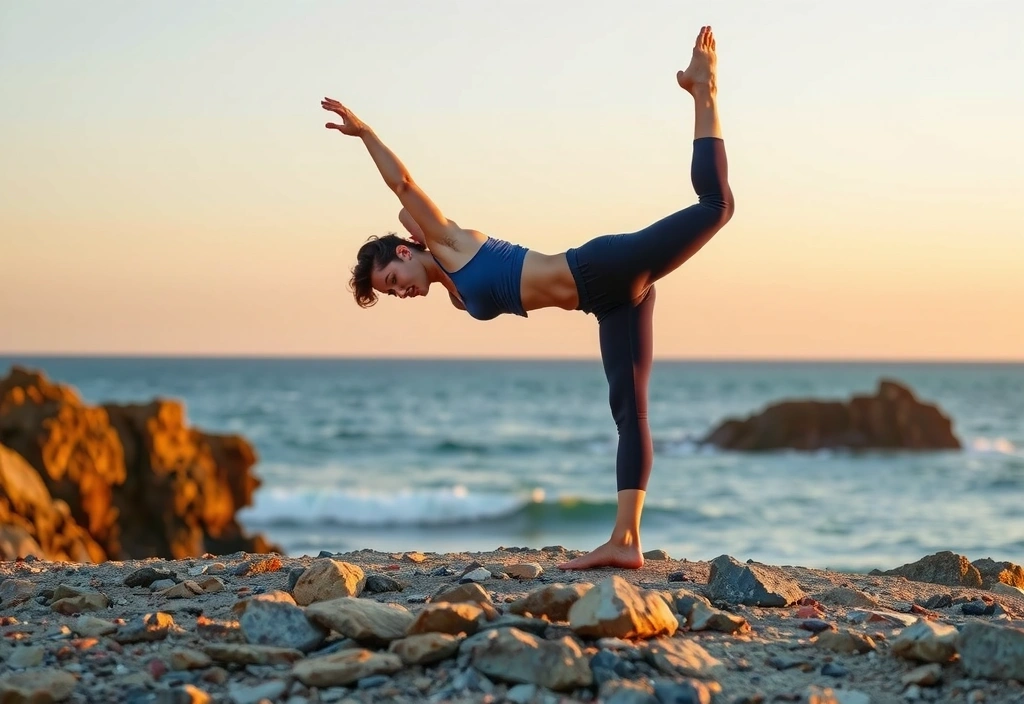
- A physical posture or pose in yoga. Originally, asanas were practiced to prepare the body for long periods of meditation. Today, they are widely known for their physical and mental health benefits, including increased flexibility, strength, and balance.
- Chakra
- In esoteric traditions of Indian religions, chakras are energy points or nodes in the subtle body. They are believed to be responsible for the distribution of prana (life force) throughout the body, influencing physical, emotional, and spiritual well-being.
- Drishti
- A focused gaze or point of concentration used during yoga practice. Drishti helps to steady the mind, improve balance, and direct awareness inward, deepening the meditative aspect of each asana.
- Mudra
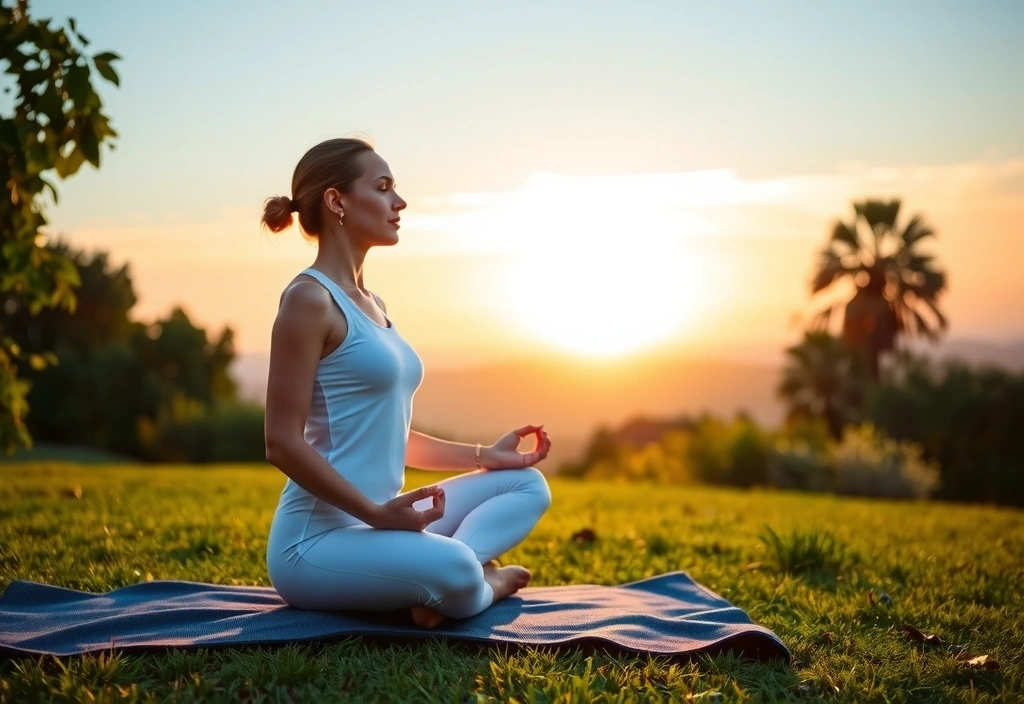
- A symbolic hand gesture often used in yoga and meditation to channel energy and enhance focus. Each mudra has a specific meaning and is believed to influence different aspects of the mind and body.
- Namaste
- A traditional Indian greeting, often accompanied by pressing the palms together at the heart chakra. It translates to "The divine light in me honors the divine light in you," signifying respect and spiritual connection.
- Prana
- The vital life force or energy that animates all living beings. In yoga, prana is controlled and directed through breathwork (Pranayama) to purify the body and mind, and to enhance overall vitality.
- Pranayama
- The formal practice of controlling the breath, which is the source of our prana (life force). Pranayama techniques are used to purify the energetic channels, calm the nervous system, and prepare the mind for meditation.
- Savasana
- Also known as Corpse Pose, Savasana is a final relaxation pose typically practiced at the end of a yoga session. It allows the body to integrate the benefits of the practice and promotes deep rest and rejuvenation.
- Ujjayi Breath
- A specific breathing technique often used in Vinyasa and Ashtanga yoga. It involves a gentle constriction at the back of the throat, creating an oceanic sound, which helps to build heat, improve concentration, and regulate the flow of breath.
- Vinyasa
- A style of yoga characterized by a flowing sequence of poses synchronized with the breath. "Vinyasa" literally means "to place in a special way," referring to the intelligent sequencing of postures.
- Yama
- The first limb of Patanjali's eight limbs of yoga, focusing on ethical disciplines and moral conduct toward others. The five Yamas are Ahimsa (non-violence), Satya (truthfulness), Asteya (non-stealing), Brahmacharya (continence), and Aparigraha (non-possessiveness).
- Niyama
- The second limb of Patanjali's eight limbs of yoga, focusing on self-discipline and spiritual observances. The five Niyamas are Saucha (purity), Santosha (contentment), Tapas (austere self-discipline), Svadhyaya (self-study), and Ishvara Pranidhana (surrender to a higher power).